When Small Decisions Truly Mattered
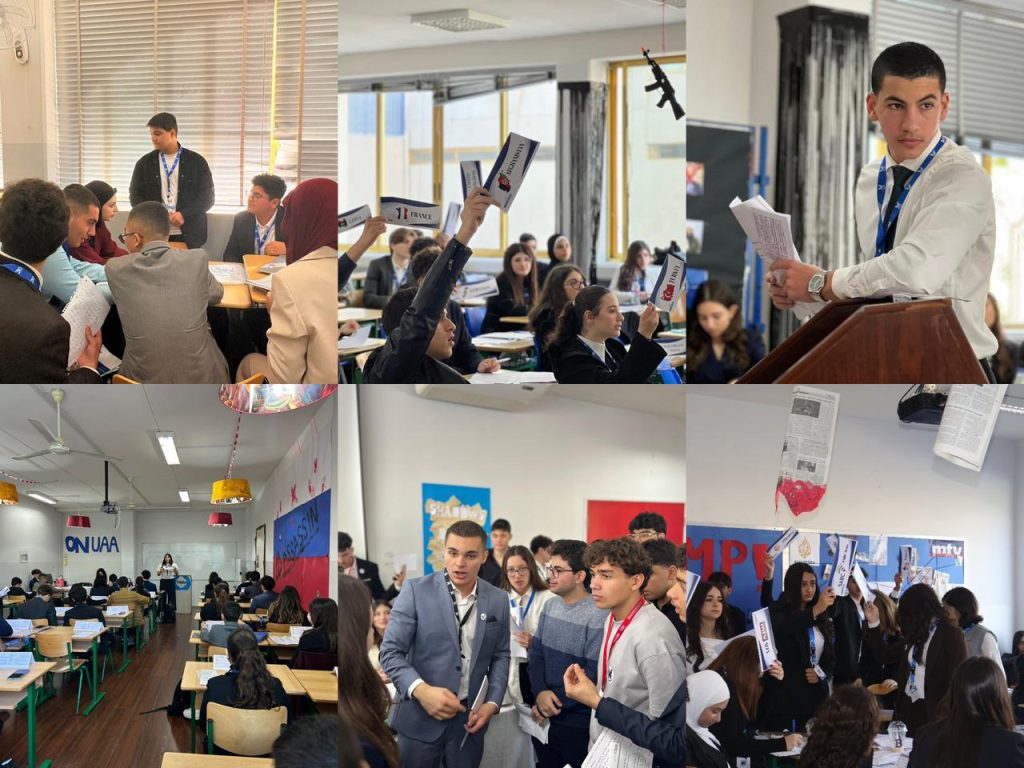
This year’s HHHSMUN felt different. Six hundred delegates from 18 schools across Lebanon packed the halls, the biggest turnout the conference has ever seen. For two days straight, students from grades 6 to 12 dove into debates, negotiations, and fast-paced sessions, filling up 15 committees. And the best part? Students weren’t only delegates, students were the planners and organizers, they ran the whole thing. HHHS supports student-led initiatives, and HHHSMUN has been just the place to satisfy this for its 14renditions. The theme was “The Butterfly Effect: Small Decisions, Global Consequences.” Sounds dramatic, but honestly, it fits. We wanted a theme that every Lebanese could relate to, that every Lebanese had lived through, and that would make every Lebanese want to solve. You could see it playing out everywhere. One amendment or even a single speech would shift the entire direction of a debate. Student-written background guides made the theme hit home, as they were sharp, clear, and tied straight to what’s actually happening in the world. The opening ceremony set a clear and thoughtful foundation for the conference. The Secretary-Generals collectively introduced the theme “The Butterfly Effect: Small Decisions, Global Consequences,” explaining what the theme represents and why it was chosen, and grounding it in the realities of leadership and decision-making. Building on this, the opening address expanded on how the theme applies beyond debate, emphasizing how everyday choices shape character, integrity, and leadership. Delegates were challenged not only to think critically in committee, but to take responsibility in their own lives, lead without hesitation, to resist corruption, and to recognize that the future of Lebanon depends on young people who are willing to act with conviction rather than convenience. This combination of collective vision and personal responsibility gave the conference both direction and purpose from the very start. Across both days, experts from different fields joined committee sessions, weighing in on the debates and sharing what diplomacy and policymaking look like in practice. They pushed delegates to think beyond what’s on paper and really consider how decisions land in the real world. Competition got fierce, especially in the crisis committees. Delegates had to think fast, work together, and own the fallout from their choices. What really stood out was the way students took charge. Chairs, crisis directors, organizers, logistics, all handled by students, from start to finish. To quote one student: “Everything ran smoothly, and you could feel the trust and commitment behind it all.”The closing ceremony brought the conference full circle, returning the focus to youth and responsibility. The Secretaries-General reflected on the work carried out across committees and the seriousness with which delegates engaged the theme, highlighting how discussion translated into action. In the closing address, Secretary-General Nadeem Darazi captured this shift by stating that“the metaphor became fact,” as small decisions made in committee rooms visibly shaped debates, alliances, and outcomes. Delegates were urged to step forward with intention, reject corruption, and resist the paralysis of hesitation. Rather than presenting leadership as a title, the message framed it as a daily responsibility, rooted in character, accountability, and courage. Delegates left not only with certificates, but with a clearer understanding that leadership begins with the choices they make long after the conference ends. The 14th HHHSMUN was more than the largest edition yet, it was a statement. A statement that when students are given responsibility instead of limits, they rise to it. That when decisions are treated seriously, they shape outcomes. And that in a country where leadership has often failed, a new generation is learning to lead differently. Because at HHHSMUN, every decision mattered, and the people making them understood why.
Written By: Nadeem Daraz
Diplomates d’un jour, citoyens de demain : la 14ᵉ édition du MUN
Cette année, notre lycée a organisé la 14ᵉ édition de son Model United Nations (MUN), un événement devenu incontournable dans la vie scolaire. Pendant plusieurs séances, les élèves ont endossé le rôle de diplomates et se sont confrontés aux grands enjeux internationaux à travers des débats structurés et exigeants.
Entre prises de parole, négociations, propositions d’amendements et rédaction de résolutions, les élèves ont expérimenté les mécanismes réels de la diplomatie internationale. D’autres ont choisi d’occuper des rôles tout aussi essentiels, comme présidents de séance ou journalistes, assurant le bon déroulement et le suivi des débats.
Au-delà des discussions, cette 14ᵉ édition du MUN a surtout été une expérience formatrice. Elle a permis aux élèves de développer leur esprit critique, leurs compétences orales et leur capacité à travailler en équipe, tout en renforçant leur intérêt pour les questions géopolitiques et la coopération internationale.
Après quatorze éditions, le MUN de notre lycée confirme toujours son rôle : offrir aux élèves un espace d’expression, de réflexion et d’engagement, où ils peuvent déjà se préparer à devenir les citoyens de demain.
أجنحة التّغيير: كيف تصنع القرارات الصّغيرة فارقًا كبيرًا
ليست كلّ التّحوّلات العظيمة وليدة قرارات صاخبة، ولا كلّ الثّورات تبدأ من منصّات كبرى. أحيانًا، يكفي أن يجلس طالبٌ خلف طاولة مستديرة، يحمل ورقة موقف، وينصت بعمق لصوتٍ مختلف عنه… ليبدأ التّغيير.
في نموذج الأمم المتّحدة الرّابع عشر في ثانويّة حسام الدّين الحريري، لم يكن الطّلّاب مجرّد ممثّلين لدولٍ افتراضيّة، بل كانوا رواةً جددًا لحكاية الوعي، وصنّاعًا صغارًا لفارقٍ كبير. هنا، حيث تتحوّل القاعات الصّفيّة إلى منابر حوار عالميّ، ويمتزج الحلم بالمسؤوليّة، وُلدت أجنحة التّغيير.
لم يتعلّم الطّلاّب كيف يتحدّثون فقط، بل كيف يفكّرون. إنّ مهارة التّفكير النّقديّ كانت البوصلة الأولى؛ إذ لم يكن مطلوبًا منهم ترديد شعارات جاهزة، بل تحليل قضايا معقّدة، وفهم تشابكاتها السّياسيّة والإنسانيّة، واتّخاذ مواقف مدروسة تتجاوز الأبيض والأسود.
كلّ قرار صغير داخل اللّجنة – تعديل فقرة، قبول اقتراح، أو حتّى الاعتراض بأدب – كان تدريبًا حيًّا على فهم أثر القرار، وعلى إدراك أنّ المسؤوليّة لا تُقاس بحجم المنصب، بل بعمق الوعي.
في نموذج الأمم المتّحدة، الكلمة ليست صوتًا عابرًا. فالطّلاّب صقلوا مهارة الخطابة والإقناع، لا بالصّوت المرتفع، بل بالحجّة المتّزنة، واللّغة الدّقيقة، والقدرة على مخاطبة العقول قبل القلوب. تعلّموا أنّ الإقناع ليس غلبة، بل جسر، وأنّ الخلاف لا يُدار بالصّدام، بل بالحوار.
ومع كلّ خطاب، كان هناك طالب يكتشف صوته الدّاخليّ، ويتحرّر من رهبة المنصّة، ويفهم أنّ الثّقة بالنّفس تُبنى خطوة خطوة… تمامًا كالسّلام.
في لجان النّموذج، لم يكن النّجاح فرديًا. فمهارة العمل ضمن فريق تجلّت حين اختلفت الآراء، وتعدّدت الخلفيّات، لكنّ الهدف بقي واحدًا. هنا تعلّم الطّلاّب الإصغاء الحقيقيّ، وتقدير التّنوّع، وبناء التّوافق دون التّفريط بالمبادئ.
أمّا القيادة، فلم تُقدَّم كسلطة، بل كخدمة. قادة اللّجان لم يكونوا الأعلى صوتًا، بل الأكثر اتّزانًا، والأقدر على إدارة الوقت، واحتواء الخلاف، وتحفيز الجميع على المشاركة. كانت قيادة تُشبه البوصلة: هادئة، دقيقة، ولا تُرى… لكنّ الجميع يهتدي بها.
نموذج الأمم المتّحدة الرّابع عشر في ثانويّة حسام الدّين الحريري لم يكن فعاليّة عابرة، بل تجربة إنسانيّة زرعت في طلاّبها مهارات سترافقهم طويلًا:
الوعي، الحوار، المسؤوليّة، الشّجاعة الفكريّة، والإيمان بأنّ التغيير لا يحتاج دائمًا إلى ضجيج… بل إلى قرار صغير، في اللّحظة الصّحيحة، وبالنيّة الصّادقة.
وهكذا، خرج الطّلاّب من القاعات لا يحملون شهادات مشاركة فحسب، بل أجنحة غير مرئية – أجنحة قادرة على حملهم نحو عالمٍ أكثر فهمًا، وأكثر عدلًا، وأكثر إنسانيّة.
هنادي فرحات
منسّقة اللّغة العربيّة وآدابها في القسم الثّانوي